
The Real Reason Senior Moves Become So Stressful
How Family Dynamics — Not Logistics — Derail Transitions
Dale Corpus
1/31/20263 min read
The #1 Hidden Challenge When Moving Aging Parents (And How to Fix It)
If you are part of the “sandwich generation”—raising your own kids while simultaneously helping your aging parents—you already know how exhausting this season of life can be. For families navigating these waters in the San Francisco Bay Area, the pressure is often immense. Whether you are juggling caregiving responsibilities in Contra Costa, Alameda, Santa Clara, San Mateo, San Francisco, Solano, or Napa counties, the emotional and logistical weight can quickly feel overwhelming.
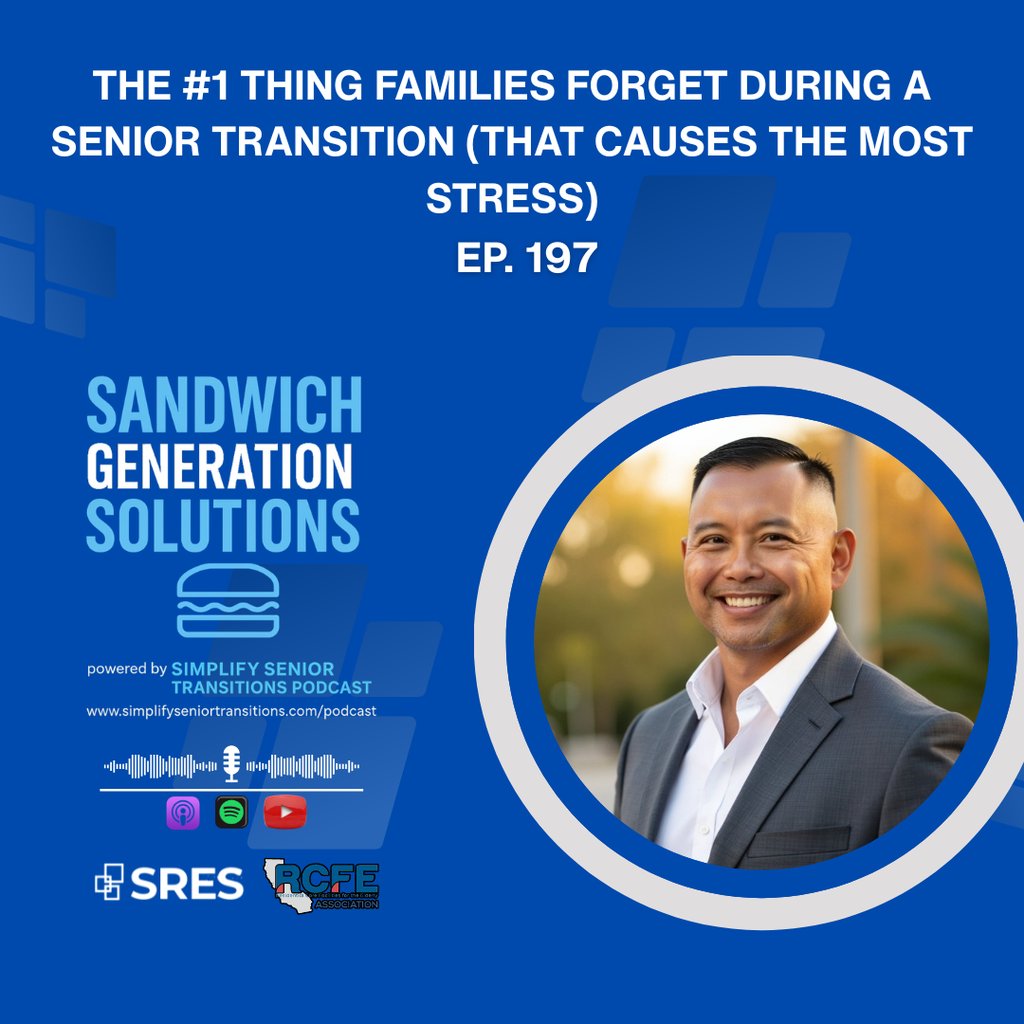
In our latest podcast episode, Bay Area senior transition specialist and real estate expert Dale Corpus dives deep into a crucial topic that almost everyone overlooks during these major life changes.
Here’s what you’ll learn in this episode:
The most commonly forgotten factor in senior moves that causes the most stress for adult children.
How to recognize the red flags of family conflict before they completely derail a transition.
Practical strategies for managing emotional stress and preventing sibling resentment.
Tips for coordinating daunting logistics like choosing care options, downsizing, and selling a senior's home without the drama.
More Than Just Movers and Paperwork
When it comes to transitioning an aging parent into assisted living, most families focus heavily on the logistics: picking the right care options, packing boxes, hiring movers, and managing the complicated real estate paperwork to get the house sold.
But as Dale points out, the hardest part isn't the physical move. The number one thing families forget to plan for is family dynamics.
Take the fictional (but incredibly relatable) Kim family from San Mateo. When their mother, Helen, started showing early signs of dementia, the siblings agreed she needed assisted living. However, the local sibling, Linda, ended up taking the lead and doing all the heavy lifting, leaving her exhausted. Her brother, Tom, lived hours away and was frustrated that the home wasn't on the market yet, while their sister, Janet, offered suggestions but rarely followed through.
Because they failed to plan for the emotional weight of the transition, move-in day left the entire family feeling dismissed and emotionally fried.
Why Old Dynamics Resurface
Transitions are highly stressful, and under that stress, old childhood dynamics often come roaring back. Suddenly, you aren't just adults coordinating care, finances, and real estate; you're falling back into your old roles as “the responsible one,” “the peacemaker,” or “the rebel.”
When families don't communicate about this emotional baggage, resentment builds. Decisions get delayed because of emotional gridlock, and the aging parent often feels caught in the crossfire.
Dale shares a real-life example of a family in Contra Costa who had everything perfect on paper—the estate plan was ready, movers were booked, and a new apartment was chosen. Emotionally, however, they were a mess. Siblings argued bitterly over downsizing—specifically what items to keep or toss—leaving their parent feeling deeply disrespected. Ultimately, the transition took twice as long simply because of unmanaged emotional stress.
Practical Tips to Prevent Emotional Gridlock
If you are noticing red flags—like one sibling doing all the legwork, another constantly critiquing from the sidelines, or endless delays in decision-making—it is time to hit pause. Here is how you can smooth out the transition:
Hold a Family Meeting Early: Don't wait until the house is listed or a crisis hits. Meet early, include your parents if appropriate, and put everything on the table.
Define Roles Clearly: Figure out exactly who is managing what. Who is handling the real estate sale? Who is leading care decisions? Who is in charge of communication?
Normalize the Tension: It is incredibly helpful to acknowledge that this process is hard. Say it out loud: “We might disagree, and that's okay.”
Bring in a Neutral Third Party: Sometimes you need an outside perspective to keep things moving forward. Bringing in a care manager, therapist, or a senior transition specialist like Dale can help you map out both the logistical and emotional roadmap. This ensures no one feels left out and the parent's needs stay front and center.
Get the Support Your Family Needs
Need Help Navigating a Senior Transition?
When a parent needs care and there’s a home involved, families often have more options than they realize. You don’t have to figure it out alone.
Care Funding Calculator
Estimate how income, assets, and home equity may help pay for senior care:
https://www.simplifyseniortransitions.com/care-funding-calculator
Podcast Episode Library
Browse conversations with senior living experts, elder law attorneys, home care leaders, financial professionals, and families navigating these decisions every day:
https://www.simplifyseniortransitions.com/podcastlibrary
Start Here - Personalized Guidance + Resources
Explore resources, ask questions using the AI Resource Explorer, or connect with Dale directly:
https://www.simplifyseniortransitions.com/starthere
P.S. Got news or an amazing story to share? Hit us up at dale@simplifyseniortransitions.com and you might be featured in our next episode! Remember, always check out the transcript for detailed insights. Happy listening!
Watch The Podcast Here

📞 GET IN TOUCH
📬 STAY INFORMED
Dale Corpus, SRES, RCFE
CA DRE# 01305153 | NMLS# 339169
📱 925-380-1657
© 2026. All rights reserved.
🔎 LEARN MORE



PROUD MEMBER OF