
When Sentiment Becomes Stress: The True Cost of Holding Onto the Family Home
Why “We’ll Deal With It Later” Can Cost Families More Than They Expect
Dale Corpus
1/2/20264 min read
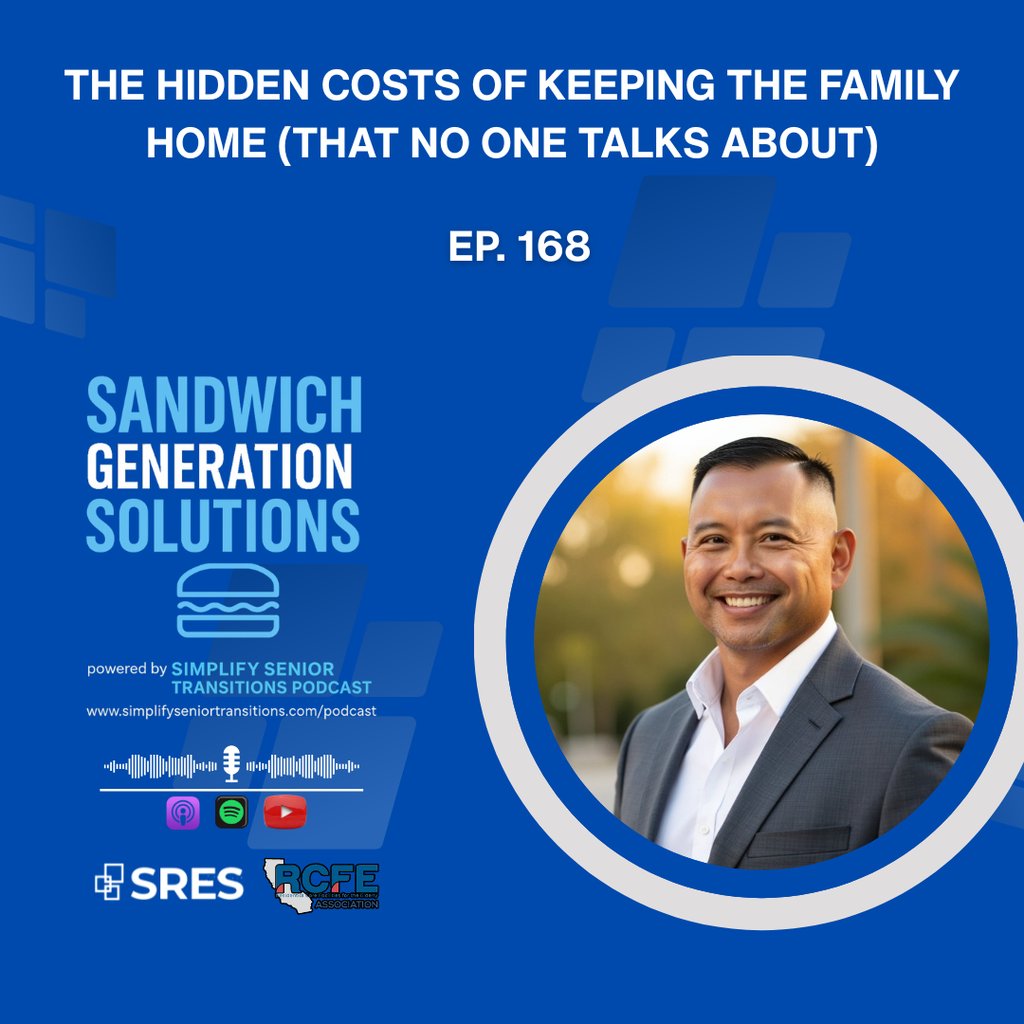
The Hidden Costs of Keeping the Family Home (That No One Talks About)
If you are currently juggling the demands of your own life while trying to manage the care of aging parents, you are likely part of the sandwich generation. As a senior transition specialist and real estate expert based right here in the San Francisco Bay Area, I know firsthand how difficult it is to make decisions about a parent’s home while trying to keep all the other plates spinning.
One of the most common hurdles families face is the emotional decision to keep the family home after a parent moves into senior living or passes away. It often starts with a simple sentiment:
“Let’s just keep the house for now. We’ll deal with it later.”
While the intentions are loving, this indecision can quickly become a financial and emotional burden.
In our latest podcast episode, we dive deep into the reality of holding onto a property without a clear plan.
What You’ll Learn in This Episode
The Emotional Toll: Why keeping a home can delay the grieving process and increase family guilt.
The Financial Reality: The specific hidden costs of vacant properties in the Bay Area, from insurance hikes to deferred maintenance.
Legal Pitfalls: How a lack of estate planning can turn a family legacy into a legal headache.
Actionable Steps: Four clear recommendations to help you move from stuck to solved.
The “Wait and See” Trap
It is incredibly common for siblings to agree to keep a home because “Mom wouldn’t want us to sell it.” However, a house that sits empty doesn’t just pause in time—it deteriorates.
In the episode, I share the story of the Ramirez family in Concord. They kept their mother’s charming 1950s bungalow for sentimental reasons. But because they didn’t have a plan, the costs piled up. They missed the deadline for the parent-child tax exclusion, the roof began to leak, and the vacant home eventually suffered break-ins.
What started as a way to honor their mother became a stress bomb for the entire family.
The Financial and Emotional Drain
Beyond the obvious mortgage or utility bills, keeping a vacant home in counties like Alameda, Santa Clara, or San Mateo comes with steep costs. Insurance premiums often increase for unoccupied properties, and maintenance issues like landscaping and HOA fees don’t stop. In the Bay Area, these holding costs can easily total thousands of dollars per month.
Perhaps more importantly, holding onto the home ties up equity that could be used to pay for quality senior care or be passed on to heirs.
There is also an emotional cost:
Who is responsible for mowing the lawn?
Who checks the mail?
Who deals with the neighbors?
These questions often breed resentment—especially if one sibling ends up bearing the brunt of the responsibility. I have seen siblings stop speaking to one another over disagreements on managing the property.
When Keeping the Home Does Make Sense
To be clear, I am not saying you should never keep the family home. It can make sense if:
One sibling plans to buy out the others
The family converts the home to a rental
Clear rules and estate planning are in place
However, if you are doing it without a plan, you are likely acting based on emotion—and that is where the trouble starts.
4 Steps to Unstick Your Family
If you are currently feeling paralyzed by this decision, here is the framework I recommend in the episode:
Get Clear on Wishes: If possible, ask your parents exactly what they want to happen with the home and confirm whether it is held in a trust.
Evaluate the Numbers: Compare the true cost of maintaining the home versus what a sale could provide for senior care or inheritance.
Have a Family Meeting: Bring in a neutral third party—such as a financial advisor or senior transition specialist—to guide the conversation.
Know Your Options: You don’t always have to list on the MLS. Selling as-is off-market can help you avoid repairs and access funds quickly.
We’re Here to Help
Navigating these transitions in the Bay Area—whether you are in Contra Costa, San Francisco, Solano, Napa, or beyond—requires more than just a real estate agent. It requires someone who understands the senior care landscape.
I am RCFE (Residential Care Facility for the Elderly) certified and hold the Seniors Real Estate Specialist (SRES)designation. My goal is to take this heavy emotional process and make it simple, respectful, and clear for your family.
If you are sitting on the decision to “just keep the house,” ask yourself what it is really costing you emotionally, financially, and legally.
Need Help Navigating a Senior Transition?
When a parent needs care and there’s a home involved, families often have more options than they realize. You don’t have to figure it out alone.
Care Funding Calculator
Estimate how income, assets, and home equity may help pay for senior care:
https://www.simplifyseniortransitions.com/care-funding-calculator
Podcast Episode Library
Browse conversations with senior living experts, elder law attorneys, home care leaders, financial professionals, and families navigating these decisions every day:
https://www.simplifyseniortransitions.com/podcastlibrary
Start Here - Personalized Guidance + Resources
Explore resources, ask questions using the AI Resource Explorer, or connect with Dale directly:
https://www.simplifyseniortransitions.com/starthere
P.S. Got news or an amazing story to share? Hit us up at dale@simplifyseniortransitions.com and you might be featured in our next episode! Remember, always check out the transcript for detailed insights. Happy listening!
Watch The Podcast Here

📞 GET IN TOUCH
📬 STAY INFORMED
Dale Corpus, SRES, RCFE
CA DRE# 01305153 | NMLS# 339169
📱 925-380-1657
© 2026. All rights reserved.
🔎 LEARN MORE



PROUD MEMBER OF