
When Aging in Place Isn’t Enough
How Safety Risks, Medicare Myths, and Family Planning Shape Senior Transitions
Dale Corpus
12/8/20253 min read
When Aging in Place Isn’t Enough: Navigating Safety, Medicare, and the Move
If you’re juggling your own life while helping aging parents navigate what comes next—especially if you’re doing it here in the demanding San Francisco Bay Area—you are officially part of the sandwich generation, and you are not alone.
As family caregivers in Contra Costa, Alameda, Santa Clara, San Mateo, San Francisco, Solano, and Napa counties, we often face overwhelming decisions about safety, care, and where our parents will ultimately call home.
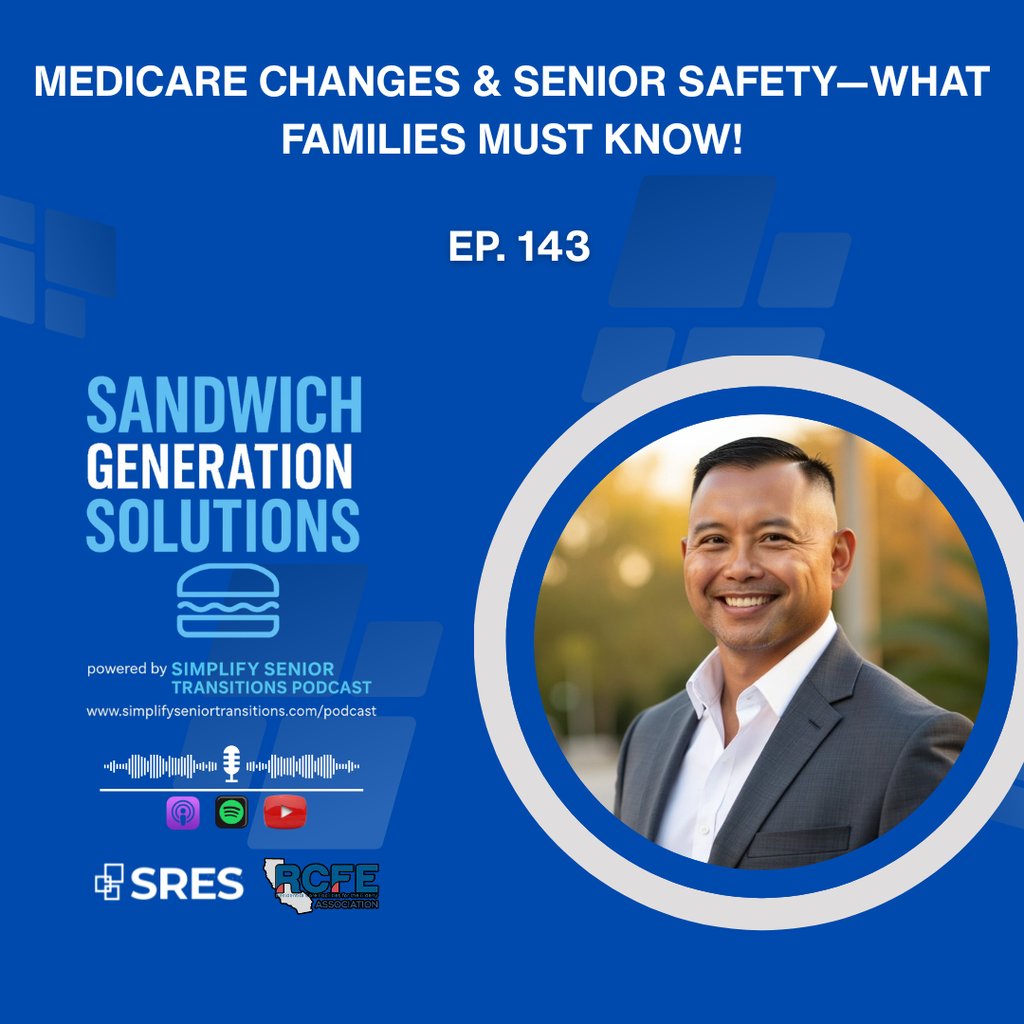
This emotional tightrope walk is exactly why I, Dale Corpus, a Senior Transition Specialist and real estate expert, started the Simplify Senior Transitions Podcast. We recently dove deep into a critical topic: the difference between wanting to age in place and being able to age in place safely.
What You’ll Learn in This Episode
We explore the reality of aging in place using a common scenario—an independent parent like Linda in Fremont who suffers a serious fall.
In this episode, we cover:
The three key factors necessary for maintaining safety at home
The widespread misconception about what Medicare actually covers for long-term care
Five concrete action steps you can take today to prepare for the future—whether your parent stays put or needs to transition into senior living
The Reality Check: Is Aging in Place Truly Safe?
Many Bay Area seniors fiercely want to stay in the homes where they raised their families for decades. But as Linda’s story illustrates—she tripped over a rug and wasn’t found until the next day—independence can quickly turn into a crisis.
For families like Karen’s (Linda’s daughter in Walnut Creek), the urgency hits when you realize you can’t wait until something worse happens.
Intentional planning requires an honest look at three critical factors:
Physical Safety of the Home
Are there adequate grab bars, proper lighting, and non-slip surfaces? Are stairs, rugs, or clutter creating trip hazards?
Daily Care and Mobility
Can your parent safely bathe, dress, cook, and manage basic daily tasks—or do they need consistent assistance?
Support System
Is there a fall alert system or smart doorbell in place? Is someone nearby who can check in regularly, or is your parent largely isolated?
The Critical Medicare Misconception
One area that surprises many families—and adds major financial and emotional stress—is Medicare coverage.
Here’s the reality: Medicare does not typically cover long-term custodial care.
If your parent needs daily help with bathing, dressing, meal prep, or housekeeping, Medicare usually will not pay for it.
Medicare does cover short-term skilled nursing, physical therapy, or nurse visits when medically necessary. But waiting until a crisis occurs often means discovering too late that the help your parent needs isn’t covered.
This is why planning ahead is essential.
Five Action Steps to Increase Safety
Whether your goal is safer aging in place or preparing for a transition, here are five steps you can take right now:
1. Do a Home Safety Assessment
Evaluate lighting, flooring, bathrooms, and emergency exits. Consider bringing in an occupational therapist for a professional assessment.
2. Invest in Fall Prevention Tools
Grab bars, shower seats, non-slip rugs, and smart lighting make a big difference. Some Bay Area counties even offer home modification grants.
3. Upgrade Technology
Install fall detection devices, smart doorbells, or tablets for video check-ins. Age tech has become a game changer for safety and connection.
4. Understand Your Coverage
Review your parent’s Medicare plan with a licensed advisor so you know exactly what is and isn’t covered—before a crisis hits.
5. Create a Backup Plan (Plan B)
Even if your parent is doing well today, what happens if mobility suddenly declines or a medical emergency occurs?
Deciding on the Full Transition Picture
Sometimes, even with the best intentions and all the grab bars in the world, aging in place is no longer the safest or most dignified option.
If your parent is falling frequently, missing medications, or suffering from isolation or depression, it may be time to consider alternatives such as senior living communities or board-and-care homes.
This transition often includes:
Downsizing a lifetime of possessions
Selling a senior’s home
Choosing the right care environment
Making this move doesn’t mean you’ve failed. It means you’re choosing safety, connection, and support.
Navigating housing, care needs, and financial considerations together is exactly what I help Bay Area families do every day.
Need Help Navigating a Senior Transition?
When a parent needs care and there’s a home involved, families often have more options than they realize. You don’t have to figure it out alone.
Care Funding Calculator
Estimate how income, assets, and home equity may help pay for senior care:
https://www.simplifyseniortransitions.com/care-funding-calculator
Podcast Episode Library
Browse conversations with senior living experts, elder law attorneys, home care leaders, financial professionals, and families navigating these decisions every day:
https://www.simplifyseniortransitions.com/podcastlibrary
Start Here - Personalized Guidance + Resources
Explore resources, ask questions using the AI Resource Explorer, or connect with Dale directly:
https://www.simplifyseniortransitions.com/starthere
P.S. Got news or an amazing story to share? Hit us up at dale@simplifyseniortransitions.com and you might be featured in our next episode! Remember, always check out the transcript for detailed insights. Happy listening!
Watch The Podcast Here

📞 GET IN TOUCH
📬 STAY INFORMED
Dale Corpus, SRES, RCFE
CA DRE# 01305153 | NMLS# 339169
📱 925-380-1657
© 2026. All rights reserved.
🔎 LEARN MORE



PROUD MEMBER OF