
Supporting Aging Parents Without Burning Out
Research, Trends, and Practical Tools for Bay Area Caregivers
Dale Corpus
1/26/20263 min read
Navigating Senior Living: Cognitive Vitality, Care Options, and Managing Caregiver Stress in the Bay Area
Navigating the journey of helping aging parents transition to senior living can feel incredibly overwhelming. If you are a family caregiver in the San Francisco Bay Area—especially in Contra Costa, Alameda, Santa Clara, San Mateo, San Francisco, Solano, or Napa counties—you are likely juggling demanding careers, your own families, and the complex needs of your aging parents. The challenges families face, from downsizing and selling a senior’s home to choosing care options and managing emotional stress, can easily leave you feeling exhausted.
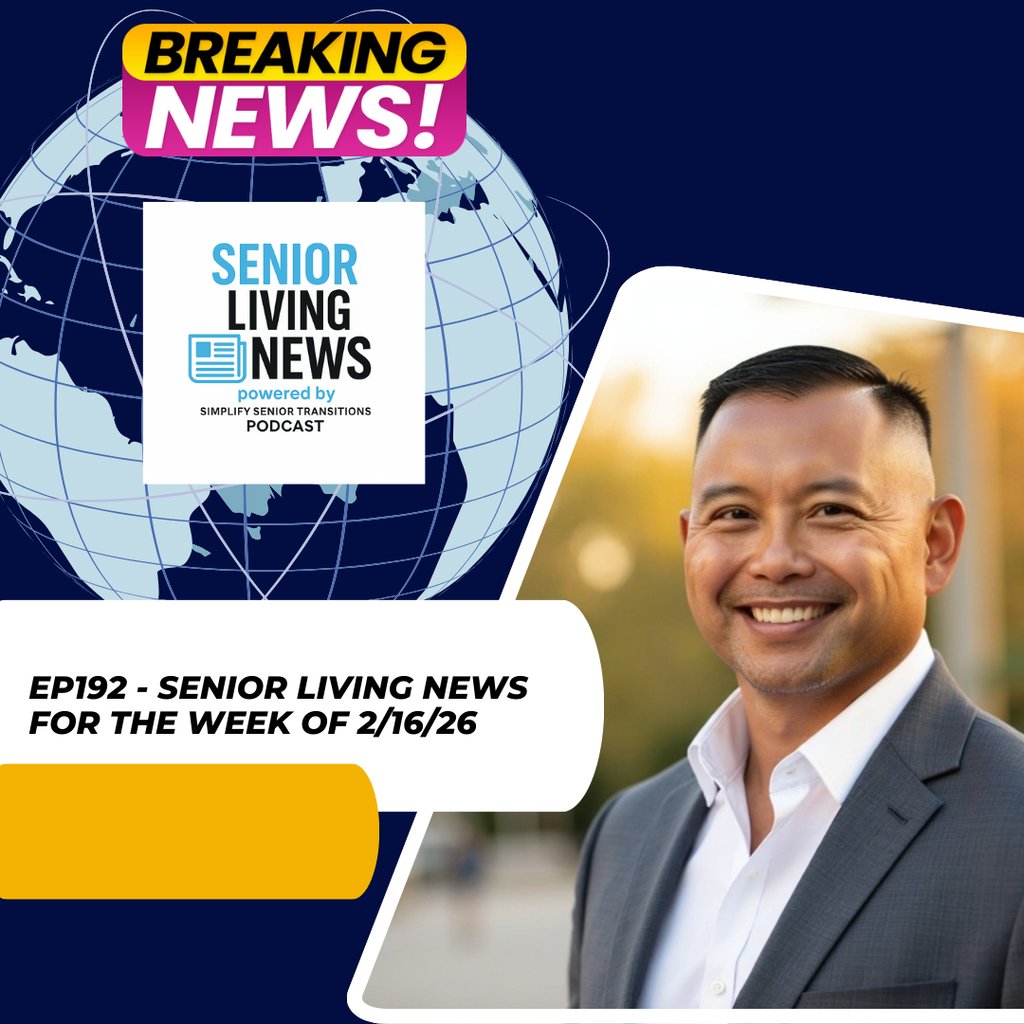
Fortunately, you don't have to figure it out alone. In the latest episode of Senior Living News, host Dale Corpus, a Bay Area Senior Transition Specialist and seniors real estate expert, breaks down recent research and local trends to help families like yours make informed decisions.
Here’s what you’ll learn in this episode:
How moderate babysitting can actually boost your aging parent's brain health.
Why investing in local community workshops might be a better first step than an immediate move to a facility.
A surprising new home-sharing trend that provides companionship and helps seniors age in place.
The hidden emotional toll of caregiving and why it is crucial to protect your own identity.
How to conduct a practical “social audit” to safeguard your parent against isolation.
The specific types of brain exercises that can reduce dementia risks for up to two decades.
The Surprising Brain Benefits of Grandparenting
If your parents occasionally watch your kids, you might actually be doing them a massive favor. New research shows that grandparents who babysit maintain stronger cognitive function over time compared to those who don't. The mental stimulation, problem-solving, and social interaction involved in childcare actively protect the brain from shrinking. However, there is a catch: moderate involvement is the sweet spot, so be sure to avoid burning them out with 60-hour childcare weeks.
Rethinking Care Options: Community and Home Sharing
When a parent’s needs begin to change, many adult children immediately stress about choosing care options or jumping straight into selling a senior’s home. However, Dale emphasizes that prevention is far cheaper, both emotionally and financially, than waiting for a crisis. In San Francisco, seniors are actively utilizing free community workshops for fall prevention, chronic disease management, and mental wellness. Before moving a parent into higher care, it is vital to ask if your family has exhausted these community-based programs first.
Additionally, if downsizing isn't the immediate goal, a fascinating new trend is emerging: home sharing. Older adults are opening their homes to vetted strangers in exchange for companionship, help with chores, or reduced living expenses. It is a powerful reminder that senior living is not a binary choice between staying home alone or moving to assisted living—it is a wide spectrum.
Managing the Emotional Stress of Caregiving
Perhaps the most empathetic segment of this episode touches on a new documentary exploring the deep emotional toll of caregiving. It is incredibly common for family caregivers to completely lose their own identities, slowly morphing into nothing but schedulers, medication managers, advocates, and emotional stabilizers. Managing emotional stress is critical because, as Dale gently reminds overwhelmed listeners: if you are a caregiver, you are more than just your role.
Planning for Connection: The Social Audit
Retirement isn't just about financial planning; it requires serious social planning. Behaviors like letting friendships drift, relying solely on a spouse for connection, or avoiding new technology can set someone up for profound loneliness in their seventies. And loneliness isn't just an emotional hurdle—it is directly tied to an increased risk of dementia, heart disease, and mortality.
To combat this, Dale recommends helping your parent conduct a “social audit.” Ask them: Who would notice if I didn't show up this week? How many people do I talk to outside my household? If the answers make you uncomfortable, that is valuable data. Loneliness prevention requires intentionality; it doesn’t happen by accident. Pair this structured social engagement with cognitive training—exercises that challenge speed, memory, and adaptability—and you can potentially help your parent reduce dementia risks for decades.
Need Help Navigating a Senior Transition?
When a parent needs care and there’s a home involved, families often have more options than they realize. You don’t have to figure it out alone.
Care Funding Calculator
Estimate how income, assets, and home equity may help pay for senior care:
https://www.simplifyseniortransitions.com/care-funding-calculator
Podcast Episode Library
Browse conversations with senior living experts, elder law attorneys, home care leaders, financial professionals, and families navigating these decisions every day:
https://www.simplifyseniortransitions.com/podcastlibrary
Start Here - Personalized Guidance + Resources
Explore resources, ask questions using the AI Resource Explorer, or connect with Dale directly:
https://www.simplifyseniortransitions.com/starthere
P.S. Got news or an amazing story to share? Hit us up at dale@simplifyseniortransitions.com and you might be featured in our next episode! Remember, always check out the transcript for detailed insights. Happy listening!
Watch The Podcast Here

📞 GET IN TOUCH
📬 STAY INFORMED
Dale Corpus, SRES, RCFE
CA DRE# 01305153 | NMLS# 339169
📱 925-380-1657
© 2026. All rights reserved.
🔎 LEARN MORE



PROUD MEMBER OF