
Navigating the 2026 Senior Care Landscape
What Bay Area Families Need to Know Before a Crisis Hits
Dale Corpus
12/26/20253 min read
Navigating the 2026 Senior Care Landscape: A Guide for Bay Area Families
If you are an adult child in the San Francisco Bay Area—whether you’re balancing a career in Santa Clara, managing a household in Contra Costa, or navigating the hills of San Francisco—you know that helping an aging parent transition to senior living is one of the most emotionally and logistically complex journeys you’ll ever take.
The start of a new year often brings these challenges to the forefront as we realize that the “wait and see” approach is no longer working.
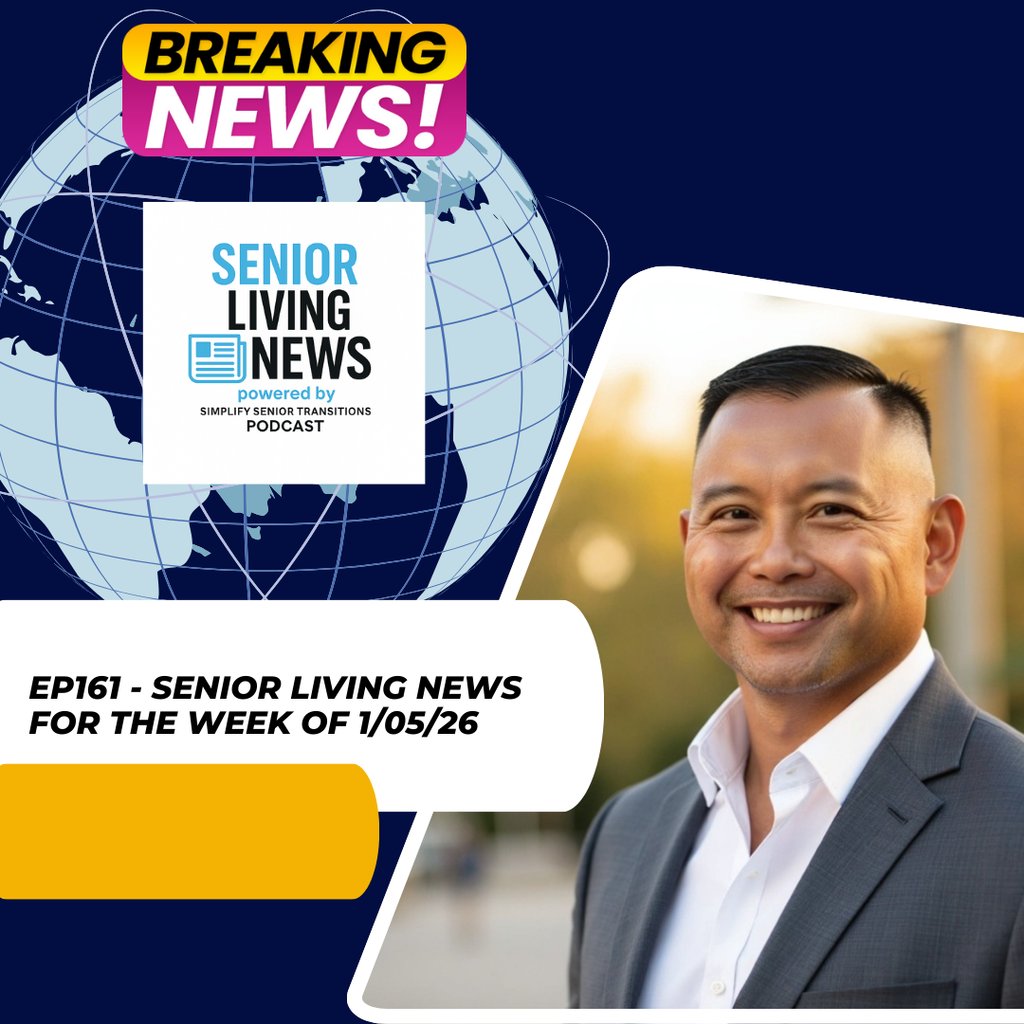
In the latest episode of Senior Living News, Dale Corpus, your Bay Area Senior Transition Specialist, dives into the shifting landscape of 2026. This year isn't just about finding a room in a facility; it’s about understanding a new, fluid model of care that prioritizes proactive planning over crisis management.
What You’ll Learn in This Episode
Here's what you'll learn in this episode:
The 5 new generational living patterns that are replacing the traditional “aging in place” model
Practical strategies to reduce ER visits and avoid unnecessary hospitalizations through early intervention
Breakthroughs in dementia research and how immersive medical training is changing how doctors treat cognitive decline
The role of AI in predicting future long-term care needs based on health and financial data
Critical questions to ask senior communities regarding their funding, ownership, and ability to handle transitions
The New “Normal” for Bay Area Caregiving
The traditional model of a senior parent aging quietly alone in their long-term family home is becoming a thing of the past.
Across Alameda, San Mateo, and beyond, families are adopting more fluid living arrangements. We are seeing a rise in multi-generational households, “care rotation” among siblings, and seniors moving closer to their adult children without necessarily moving in with them.
If your family feels like you are constantly pivoting or rethinking the plan, you aren't “behind”—you are actually right on trend. The high cost of living and the unique geography of the North Bay (Solano and Napa) and South Bay mean that care is no longer a linear path, but a series of adjustments.
Reducing the Stress of the “Crisis Move”
One of the biggest sources of emotional stress for caregivers is the fear of a medical emergency.
Most hospitalizations for seniors aren't caused by one catastrophic event, but by a “stacking up” of small issues. By focusing on medication management, fall prevention at home, and consistent primary care, families can stay ahead of the curve.
This proactive approach is especially vital when it comes to dementia. New research focuses on early cognitive changes and lifestyle risks, giving families the gift of time. Instead of making a panicked decision about a memory care community in the middle of a hospital discharge, early screening allows you to plan and adjust on your own terms.
Managing the Transition: Downsizing and Selling the Home
While the podcast highlights the clinical and predictive side of care, the physical transition remains a hurdle.
For many families in the Peninsula or the East Bay, the “big move” involves the daunting task of downsizing a lifetime of memories and selling a high-value property to fund future care.
When choosing a community, Dale emphasizes looking beyond “today.” You must ask: Can care levels increase without another move? What happens after a hospitalization? Understanding the “why” behind a community’s operations—including their funding and upgrades—can help you avoid the frustration of bureaucratic delays.
Why Proactive Planning Is Empowering
The shift we are seeing in 2026 is that more seniors are choosing to move proactively after watching friends or spouses go through the trauma of a crisis-driven transition.
Taking control of the narrative—whether that means exploring an AI tool that predicts care needs or visiting communities before they are “needed”—isn't pessimistic; it’s one of the most empowering things a family can do.
Need Help Navigating a Senior Transition?
When a parent needs care and there’s a home involved, families often have more options than they realize. You don’t have to figure it out alone.
Care Funding Calculator
Estimate how income, assets, and home equity may help pay for senior care:
https://www.simplifyseniortransitions.com/care-funding-calculator
Podcast Episode Library
Browse conversations with senior living experts, elder law attorneys, home care leaders, financial professionals, and families navigating these decisions every day:
https://www.simplifyseniortransitions.com/podcastlibrary
Start Here - Personalized Guidance + Resources
Explore resources, ask questions using the AI Resource Explorer, or connect with Dale directly:
https://www.simplifyseniortransitions.com/starthere
P.S. Got news or an amazing story to share? Hit us up at dale@simplifyseniortransitions.com and you might be featured in our next episode! Remember, always check out the transcript for detailed insights. Happy listening!
Watch The Podcast Here

📞 GET IN TOUCH
📬 STAY INFORMED
Dale Corpus, SRES, RCFE
CA DRE# 01305153 | NMLS# 339169
📱 925-380-1657
© 2026. All rights reserved.
🔎 LEARN MORE



PROUD MEMBER OF