
Navigating Senior Transitions in Today’s World: What Families Need to Know
Insights on aging, technology, and care decisions for families supporting older adults
Dale Corpus
2/11/20263 min read
Navigating Senior Transitions in Today’s World: What Families Need to Know
If you are an adult child in the San Francisco Bay Area—whether you live in Contra Costa, Alameda, Santa Clara, San Mateo, San Francisco, Solano, or Napa counties—helping an aging parent transition to senior living can feel completely overwhelming.
Between the daunting tasks of downsizing, selling a senior’s home, choosing the right care options, and managing the deep emotional stress of it all, it is incredibly easy to feel lost.
You are not alone in this journey.
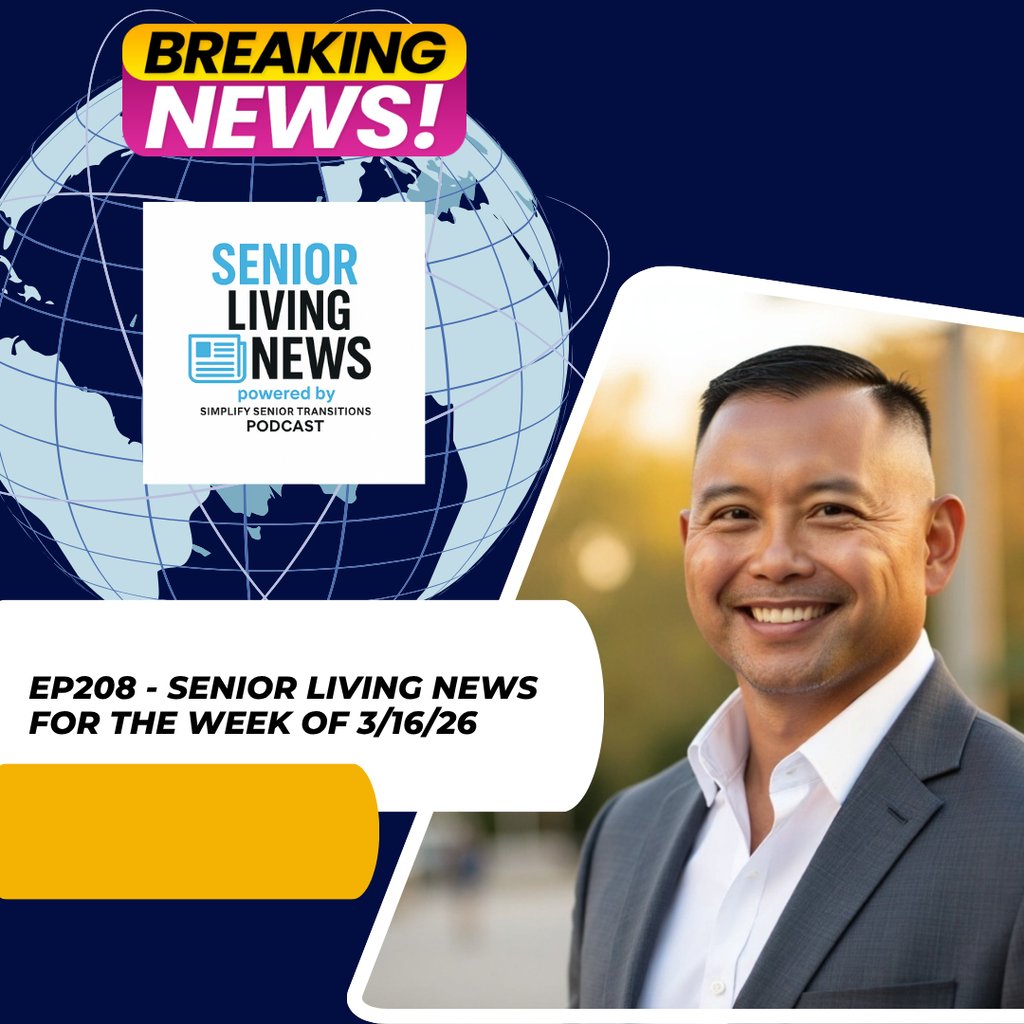
In the latest Simplify Senior Transitions Podcast episode (for the week of March 16, 2026), Dale Corpus, a Bay Area senior transition specialist and seniors real estate expert, shares uplifting news and practical advice to help families navigate these complex years.
Here's What You'll Learn in This Episode:
• How the modern role of grandparents is rapidly shifting
• A simple 30-second test used by researchers to measure longevity and mobility
• A heartwarming phone line connecting younger generations with seniors across the country
• How AI is helping doctors detect Alzheimer's earlier, giving families more time to plan
• Why federal healthcare leaders want seniors to use AI tools—and a look at laptops designed specifically for older adults
The Changing Face of Grandparenting
If you are part of the "sandwich generation," you know how difficult it is to balance your own family's needs with your aging parents' care.
Recent interviews with over 100 grandparents revealed that their roles look completely different than what they expected. Many are actively providing regular childcare, offering financial support, and even helping with housing costs.
At the same time, they want to maintain their independence, travel, and enjoy their hobbies.
Navigating this delicate balance can add emotional stress—especially when you are also trying to discuss future care options with them.
Health, Longevity, and Planning Ahead
When it comes to healthy aging, longevity isn't just about how long we live—it’s about how well our bodies continue to function.
Dale highlights a simple 30-second sit-to-stand test that measures lower body strength, balance, and mobility. To try it, sit in a chair with crossed arms and stand up and sit down as many times as you can in 30 seconds.
These functional health factors are strongly linked to a longer, healthier life.
Medical technology is also advancing in ways that directly help families make better care choices.
Artificial Intelligence is now being used to analyze brain imaging and speech patterns to detect early warning signs of Alzheimer's disease long before traditional diagnoses occur.
Catching these signs early is crucial—it gives families valuable time to slow progression, plan care strategies, and make important medical and financial decisions.
Healthcare leaders are also encouraging seniors to use AI tools to navigate complex medical bills, compare treatment options, and identify fraud.
Leveraging these tools can reduce stress, especially when you are also coordinating a home sale or downsizing.
Tech and the Power of Human Connection
Loneliness remains one of the biggest public health challenges for older adults.
A meaningful program called "Call a Boomer" is helping address this by connecting younger people with seniors through a simple phone line. Younger callers receive life and career advice, while seniors benefit from conversation and connection.
At the same time, technology is becoming more accessible.
Companies are now designing laptops specifically for older adults, featuring larger screens, longer battery life, and simpler interfaces.
As Dale points out, learning new technology may be one of the most effective ways for seniors to stay mentally engaged.
The Longevity Habit Check
Dale’s tip of the week is to run a “longevity habit check” with your aging parents by asking three simple questions:
• Are they moving every day?
• Are they connecting with people regularly?
• Are they learning new things?
Movement, connection, and curiosity consistently show up as the most powerful habits in longevity research.
Need Help Navigating a Senior Transition?
When a parent needs care and there’s a home involved, families often have more options than they realize. You don’t have to figure it out alone.
Care Funding Calculator
Estimate how income, assets, and home equity may help pay for senior care:
https://www.simplifyseniortransitions.com/care-funding-calculator
Podcast Episode Library
Browse conversations with senior living experts, elder law attorneys, home care leaders, financial professionals, and families navigating these decisions every day:
https://www.simplifyseniortransitions.com/podcastlibrary
Start Here - Personalized Guidance + Resources
Explore resources, ask questions using the AI Resource Explorer, or connect with Dale directly:
https://www.simplifyseniortransitions.com/starthere
P.S. Got news or an amazing story to share? Hit us up at dale@simplifyseniortransitions.com and you might be featured in our next episode! Remember, always check out the transcript for detailed insights. Happy listening!
Watch The Podcast Here

📞 GET IN TOUCH
📬 STAY INFORMED
Dale Corpus, SRES, RCFE
CA DRE# 01305153 | NMLS# 339169
📱 925-380-1657
© 2026. All rights reserved.
🔎 LEARN MORE


PROUD MEMBER OF