
Is Mom or Dad Refusing Help? Why Modern Senior Living Isn’t What You Think
How Today’s Communities Restore Independence, Safety, and Connection
Dale Corpus
1/4/20263 min read
Is Mom or Dad Refusing Help? Why Modern Senior Living Isn’t What You Think
If you are reading this, there is a good chance you are an exhausted family caregiver in the San Francisco Bay Area. Whether you are driving back and forth to parents in Contra Costa, Alameda, or Santa Clara counties—or managing care from afar for loved ones in San Mateo, Solano, or Napa—the pressure is real.
You are likely part of the sandwich generation, trying to support your own children while navigating the complex and emotional needs of aging parents.
It is common for seniors to resist moving, often fearing that leaving their home means giving up their life. That hesitation, however, is usually based on myths that no longer reflect today’s reality.
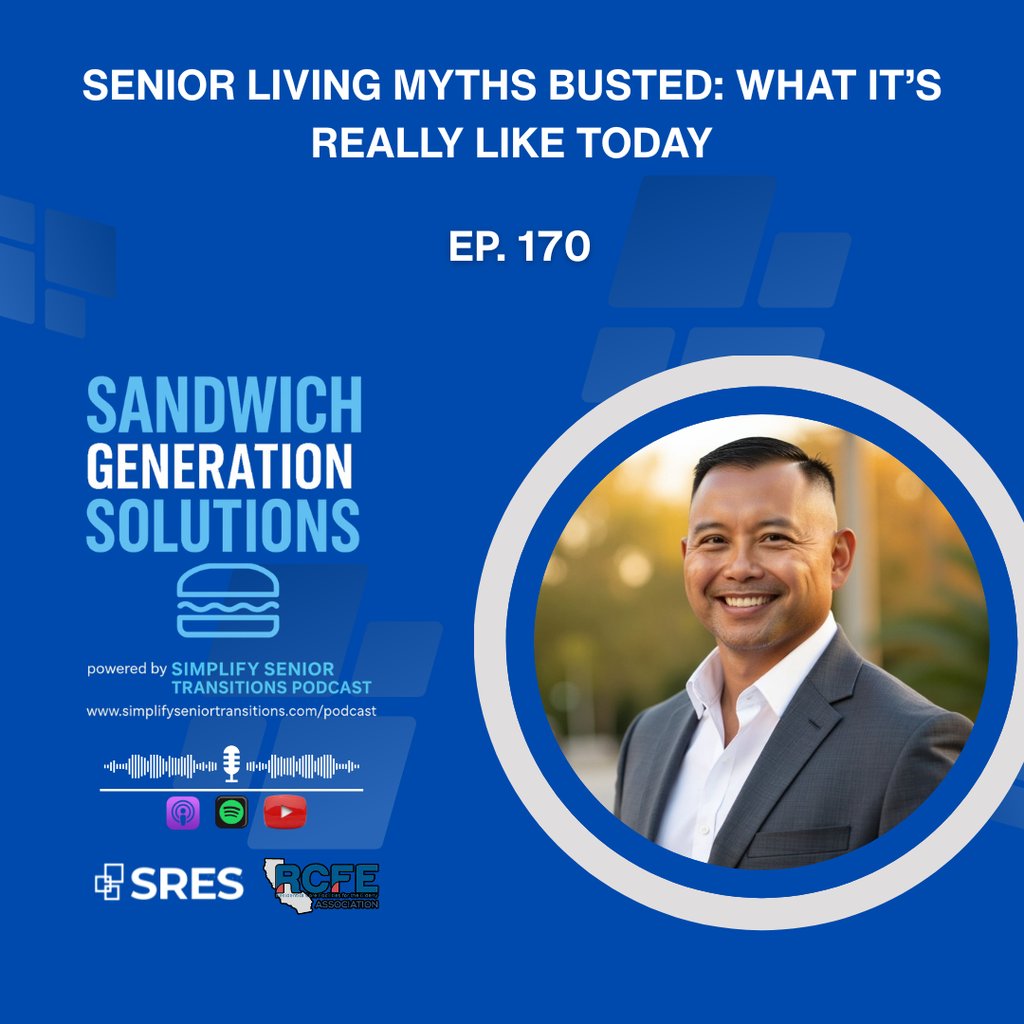
In our latest podcast episode, Dale Corpus—a Senior Transition Specialist and Real Estate Expert—breaks down these barriers to help families find a clearer, more confident path forward.
What You’ll Learn in This Episode
The truth about the “nursing home” stigma versus the reality of modern communities
How senior living can actually restore independence instead of taking it away
Financial strategies for Bay Area families, including how home equity fits into the picture
A practical checklist of what to look for when touring a facility
Real-life success stories of seniors who went from skeptical to thriving
Shattering the “Nursing Home” Myth
The biggest hurdle most families face is the belief that senior living is synonymous with a nursing home. Many still picture drab hallways, shared rooms, bland food, and residents sitting around with nothing to do.
The reality is very different.
Most modern senior communities feel more like resorts than institutions. Think private apartments, chef-prepared meals, fitness centers, outdoor patios, book clubs, and even wine tastings. Today’s independent living, assisted living, and memory care communities are designed around lifestyle—not just medical needs.
A Story of Transformation: Meeting Linda
To illustrate this shift, Dale shares the story of Linda, a fiercely independent woman in her eighties living in Santa Clara County.
After Linda experienced two falls at home, her daughter Sarah suggested assisted living. Linda immediately shut the idea down, convinced she would end up in a “home.”
The turning point came when they agreed to just tour a community—no commitment required.
Linda arrived with her arms crossed and expectations low. But as she watched residents chatting over lattes in the bistro, joining book clubs, and attending painting classes, her perspective changed. Two weeks later, Linda moved in and admitted she wished she had done it sooner.
Often, the fear of the unknown is far worse than the reality.
Regaining Independence and Connection
Another major concern seniors express is the loss of independence. In truth, many residents regain autonomy after moving.
When driving becomes unsafe or household tasks become physically demanding, life at home can shrink quickly. Senior living removes those burdens—providing transportation, housekeeping, and meals—so residents can focus on living life on their terms.
Just as important, senior living reduces isolation. Communities today offer real connection, learning opportunities, friendships, and even romance. It’s no longer just bingo and television.
The Financial Puzzle in the Bay Area
Senior living is not inexpensive—but neither is aging in place in the Bay Area.
When families add up the true costs of staying at home—repairs, utilities, home modifications, and in-home caregiving—senior living is often surprisingly competitive.
For homeowners, selling a property can fund years of quality care. Many families are also unaware of tiered pricing models, VA benefits, and financial assistance programs that may be available.
Practical Tips: What to Look For During Tours
If you are ready to explore options, look beyond the brochure. Dale recommends paying attention to these details:
Smiles and eye contact: How do staff interact with residents?
Cleanliness: Look past shiny floors—check corners and baseboards
The food: Ask to sit down for a real meal
Safety features: Grab bars, lighting, and monitored entrances
Trust your gut: Does it feel like home?
Help With the Heavy Lifting
Senior transitions often involve more than choosing a care community. Downsizing and selling a long-time family home can be overwhelming.
As a Senior Transition Specialist, Dale works alongside placement agents to find the right care fit while also managing the real estate side. Whether selling traditionally or exploring off-market options to access funds quickly, there are solutions that reduce stress and uncertainty.
With the right team, families don’t have to navigate this process alone.
Need Help Navigating a Senior Transition?
When a parent needs care and there’s a home involved, families often have more options than they realize. You don’t have to figure it out alone.
Care Funding Calculator
Estimate how income, assets, and home equity may help pay for senior care:
https://www.simplifyseniortransitions.com/care-funding-calculator
Podcast Episode Library
Browse conversations with senior living experts, elder law attorneys, home care leaders, financial professionals, and families navigating these decisions every day:
https://www.simplifyseniortransitions.com/podcastlibrary
Start Here - Personalized Guidance + Resources
Explore resources, ask questions using the AI Resource Explorer, or connect with Dale directly:
https://www.simplifyseniortransitions.com/starthere
P.S. Got news or an amazing story to share? Hit us up at dale@simplifyseniortransitions.com and you might be featured in our next episode! Remember, always check out the transcript for detailed insights. Happy listening!
Watch The Podcast Here

📞 GET IN TOUCH
📬 STAY INFORMED
Dale Corpus, SRES, RCFE
CA DRE# 01305153 | NMLS# 339169
📱 925-380-1657
© 2026. All rights reserved.
🔎 LEARN MORE



PROUD MEMBER OF