
Bay Area Caregivers: How to Navigate Senior Transitions Without Burning Out
Practical strategies for preserving dignity while protecting your own well-being
Dale Corpus
12/10/20253 min read
Bay Area Caregivers: How to Navigate Senior Transitions Without Burning Out
If you’re juggling your own family life while caring for aging parents, you are part of the sandwich generation—and you are definitely not alone.
Here in the San Francisco Bay Area, from Walnut Creek in the East Bay down through San Mateo and Santa Clara counties, the high cost of living combined with the logistical challenges of family spread across bridges and counties makes caregiving an immense task.
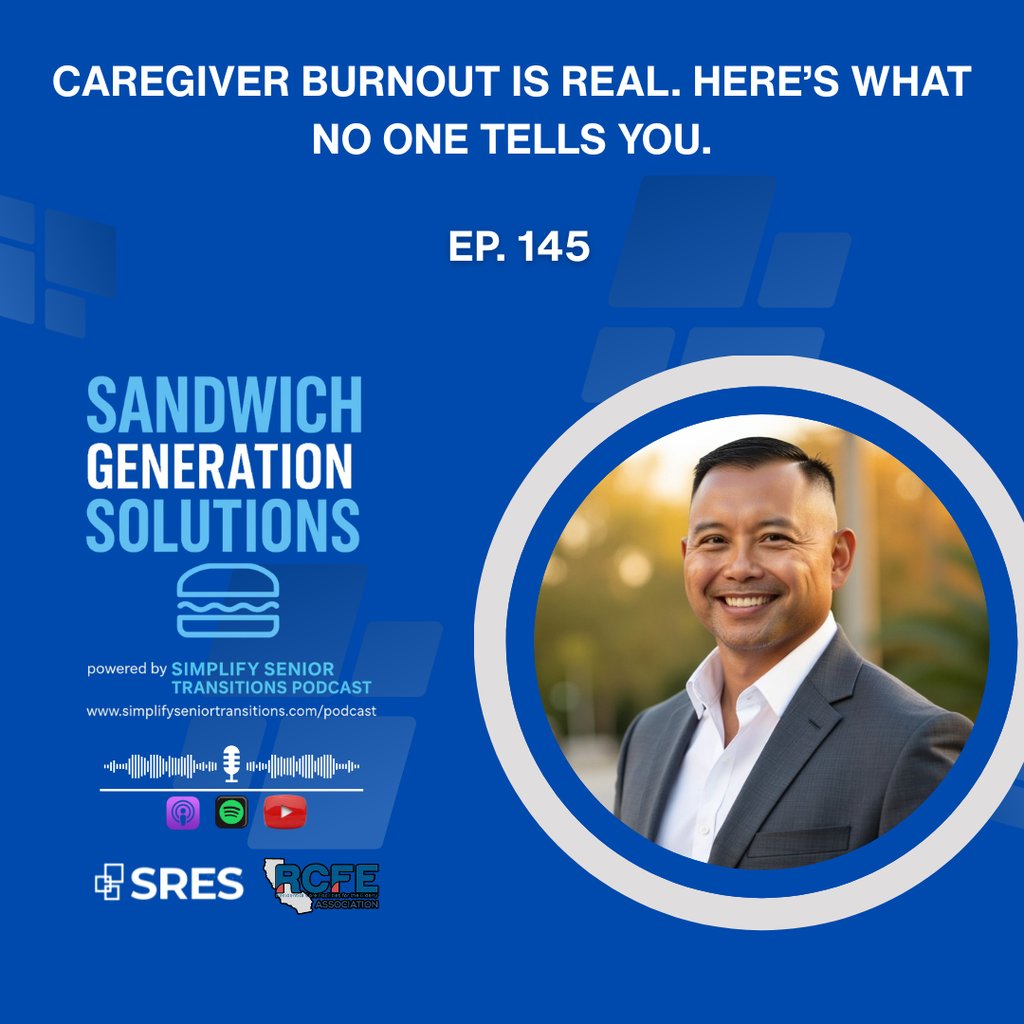
This recent episode of Simplify Senior Transitions dives deep into the emotional realities of this journey, offering concrete strategies to help your loved ones maintain their dignity without sacrificing your own well-being.
What You’ll Learn in This Episode
In this episode, you’ll gain crucial insights into managing the real emotional weight of caregiving and the family stress that often goes unspoken.
We address the critical difference between confusing dignity with independence and explain why burnout is not a badge of honor. You’ll hear practical tips for creating clarity and structure to reduce chaos and assumptions, and learn when and how to utilize specialized outside help—especially during complex decisions like selling a home to fund care.
Ultimately, the goal is simple: help your aging loved ones preserve dignity while avoiding caregiver burnout.
Recognizing the Caregiving Collapse
Caring for an aging parent often feels like a slow unraveling.
You may find yourself grieving the shift from child to caregiver while navigating memory loss, unfamiliar medical terms, and uncomfortable conversations about safety and finances.
The story of Diane, a working mom in Walnut Creek juggling her job, PTA responsibilities, and care for her father with Parkinson’s, highlights a common crisis. After just two months, she hit a wall of exhaustion and guilt.
If you feel like Diane—emotionally drained and worried your parent feels like a burden—it’s important to know this situation is not sustainable, and it does not have to be this way.
Caregiver burnout doesn’t just affect you. It ripples through the entire family, creating tension with spouses and children. The burden often falls unevenly, leading to sibling resentment when one person carries the load while others offer only “thoughts and prayers” from afar in counties like Alameda, Contra Costa, Santa Clara, or San Mateo.
The solution isn’t doing more.
It’s clarity, not chaos—structure, not assumptions.
Practical Strategies for Transitioning with Respect
Successfully navigating senior transitions—downsizing, choosing care options, and selling a senior’s home—requires intentional structure and clear communication.
1. Prioritize Family Meetings to Divide the Load
To protect relationships, schedule a recurring family Zoom meeting, even if siblings are scattered across California.
Use this dedicated time to review care updates, make decisions openly, and divide responsibilities clearly. Tools like shared Google Docs can centralize information and prevent painful misunderstandings later.
2. Know When to Seek Specialized Outside Help
If you feel overwhelmed by physical care, paperwork, or transition logistics, it’s time to bring in outside help.
This may include home care aides, placement agents, or a senior transition specialist. If selling a senior’s home is necessary to fund care, a specialist can guide you through emotional, legal, and financial complexities—whether that means selling the home as-is or coordinating with elder law attorneys.
3. Create a Living Dignity Plan
One of the most meaningful steps families can take is understanding the senior’s own perspective.
Families often confuse dignity with independence, but preserving dignity sometimes means accepting help and choosing living arrangements that match reality.
When things are calm—not during a crisis—ask your parent:
“What does aging with dignity mean to you?”
“What fears do you have about the future?”
Resistance to help is often rooted in fear of losing control, not pride. A Dignity Plan should be a living conversation, revisited yearly, and it can bring immense peace to both seniors and their families.
Local Bay Area Support
If you’re navigating caregiving in the Bay Area, you are not without resources.
Support options include organizations like Meals on Wheels Diablo Region, Home Safety Services for home assessments and modifications, and hospice providers such as Pathways, which can offer support earlier than many families realize.
Aging doesn’t have to mean crisis.
Caregiving doesn’t have to mean collapse.
There are ways to help your loved one age with dignity—without losing yourself in the process.
Need Help Navigating a Senior Transition?
When a parent needs care and there’s a home involved, families often have more options than they realize. You don’t have to figure it out alone.
Care Funding Calculator
Estimate how income, assets, and home equity may help pay for senior care:
https://www.simplifyseniortransitions.com/care-funding-calculator
Podcast Episode Library
Browse conversations with senior living experts, elder law attorneys, home care leaders, financial professionals, and families navigating these decisions every day:
https://www.simplifyseniortransitions.com/podcastlibrary
Start Here - Personalized Guidance + Resources
Explore resources, ask questions using the AI Resource Explorer, or connect with Dale directly:
https://www.simplifyseniortransitions.com/starthere
P.S. Got news or an amazing story to share? Hit us up at dale@simplifyseniortransitions.com and you might be featured in our next episode! Remember, always check out the transcript for detailed insights. Happy listening!
Watch The Podcast Here

📞 GET IN TOUCH
📬 STAY INFORMED
Dale Corpus, SRES, RCFE
CA DRE# 01305153 | NMLS# 339169
📱 925-380-1657
© 2026. All rights reserved.
🔎 LEARN MORE



PROUD MEMBER OF